Yukifuran Sato
Yukifuran Sato: A New Interpretation of Kaiseki
Kaiseki in Kyoto is a cuisine rooted in strict rules, centuries-old traditions, and delicate aesthetics. But chef and owner Koichi Sato, a native of Gifu Prefecture, has found a new way to approach it — freeing it from excessive formality while preserving its essence.
When Sato opened his restaurant in 2013, he came to Kyoto not as a disciple of tradition, but as someone ready to reinterpret it — bringing a fresh perspective to one of Japan’s most conservative culinary genres. He doesn’t reject the canon; rather, he strips it down to its core, returning kaiseki to its fundamental principles: seasonality, harmony, and deep respect for ingredients.
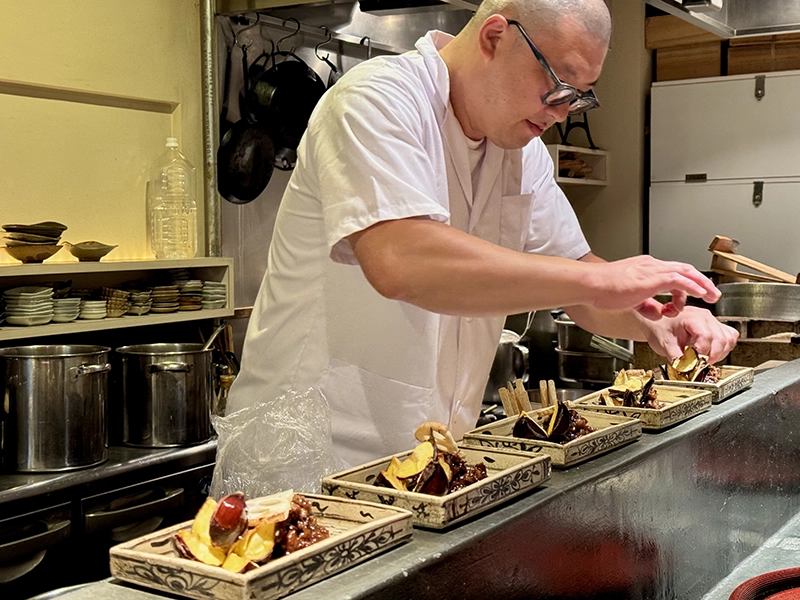
Technically speaking, his cuisine follows the kappo-kaiseki style — an interactive format where the chef prepares dishes directly in front of the guests, often adapting the menu as the meal progresses.
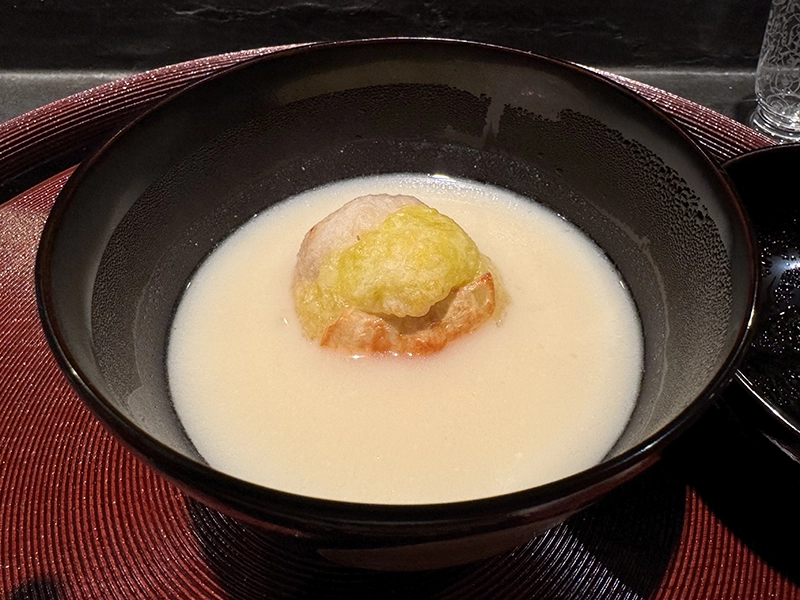
Like Bodhidharma, who once purified Buddhism of its accumulated complications, Sato removes the excess weight from kaiseki. His dishes don’t claim absolute traditionalism, but they are grounded in a profound understanding of Japanese cuisine’s essence: rhythm, the unfolding of flavors, and alignment with the season’s context.
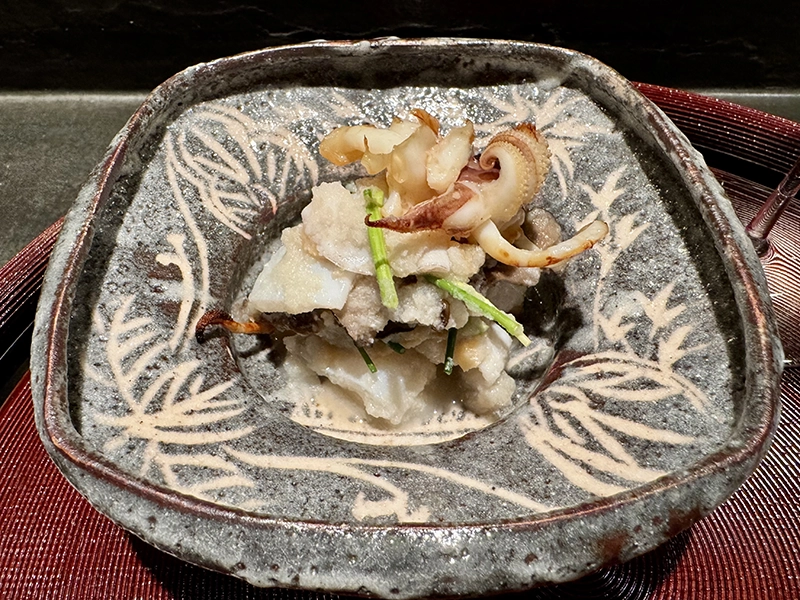
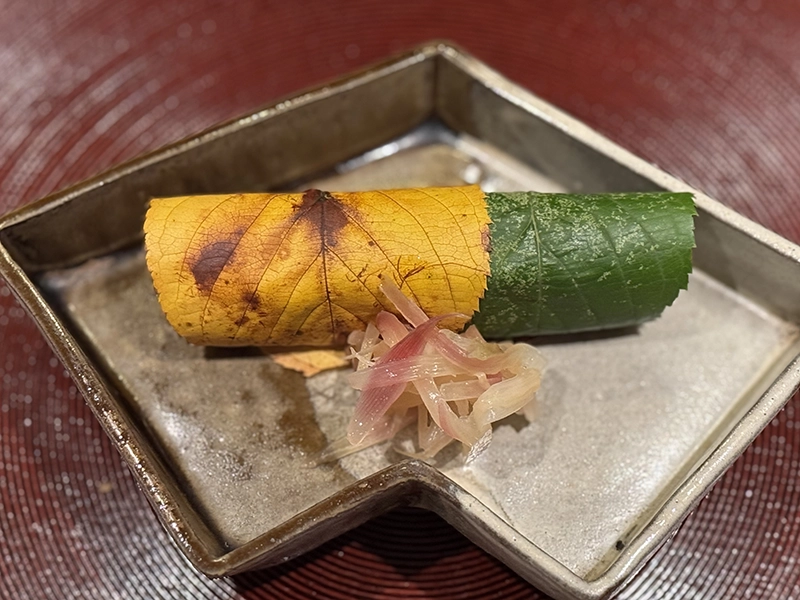
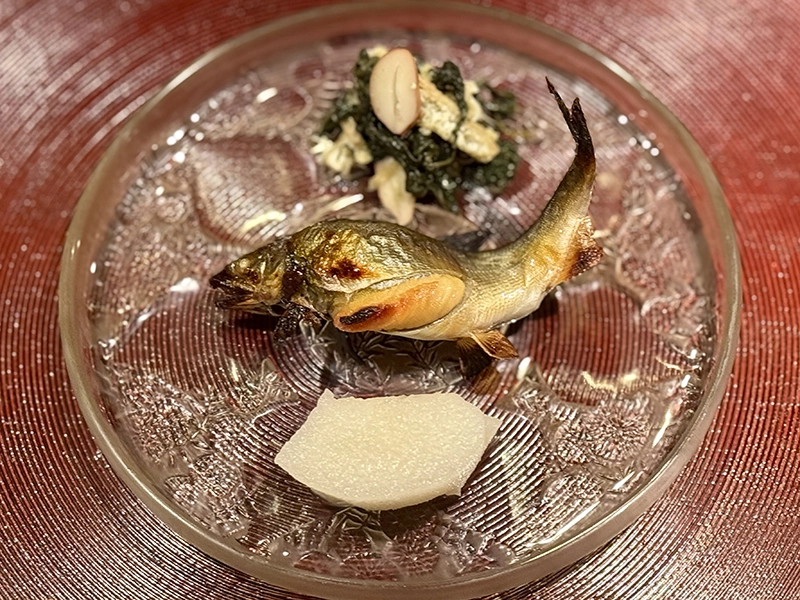
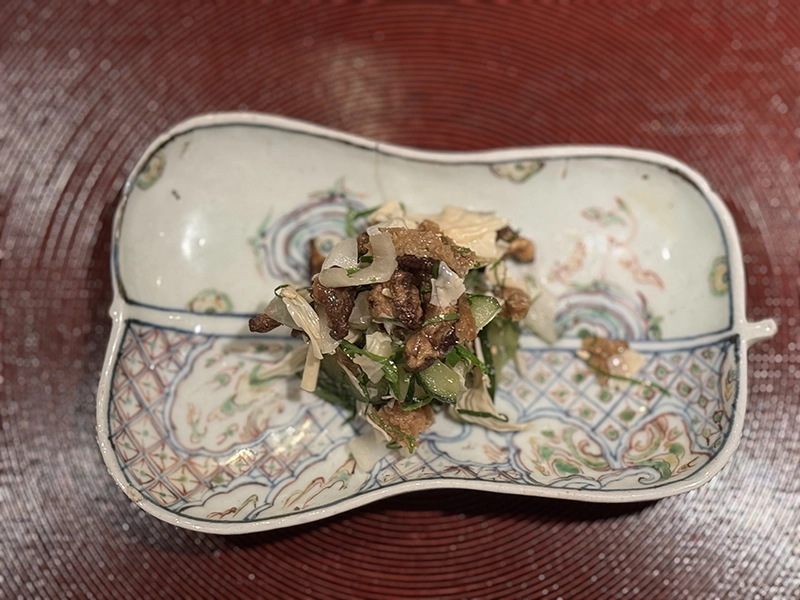
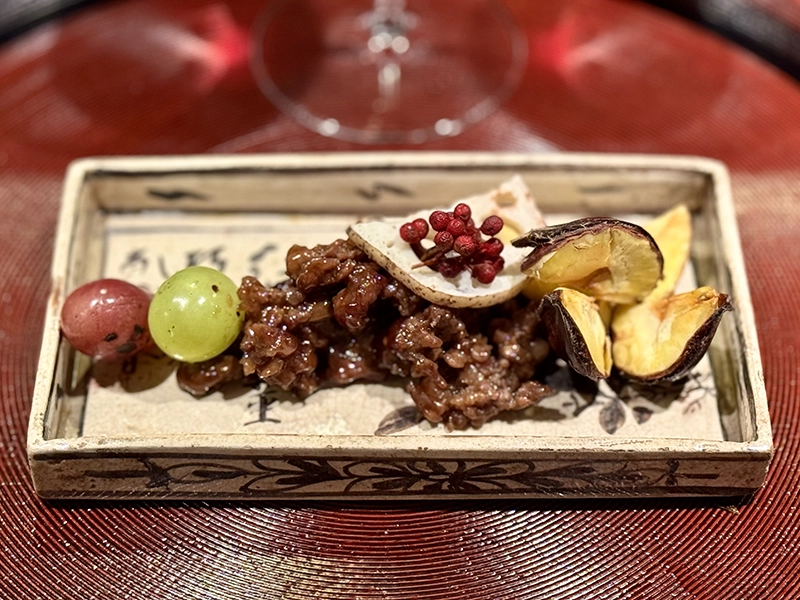
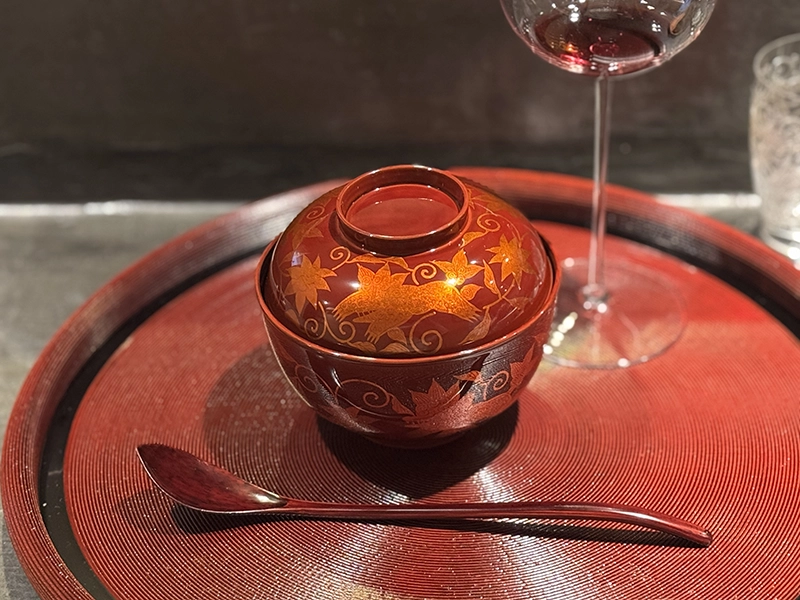
The atmosphere is further enriched by the tableware, which Sato personally selects from antique shops. Each piece carries a sense of time, adding depth to the dining experience and turning the meal into a living dialogue between past and present.
This is not cuisine designed to provoke for the sake of attention — it is a thoughtful search for living, relevant gastronomy that embraces change while remaining true to its roots.