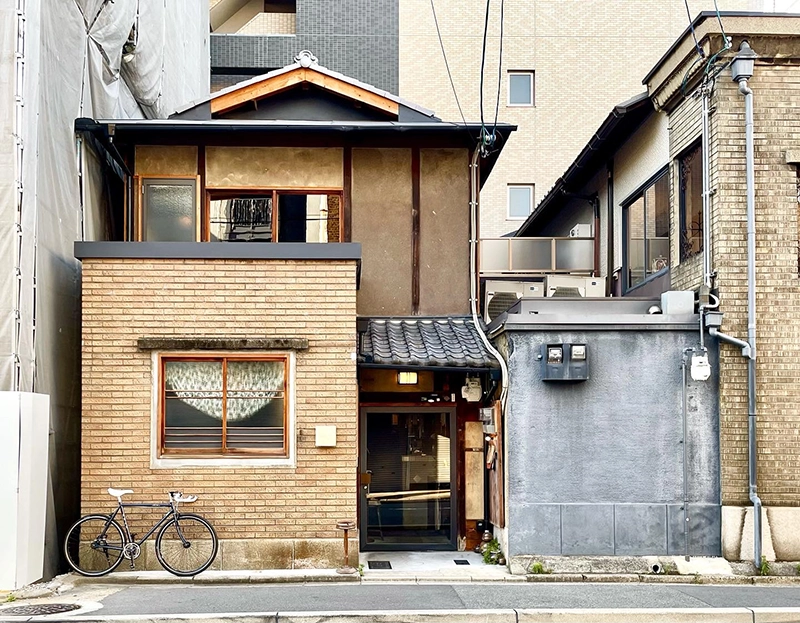
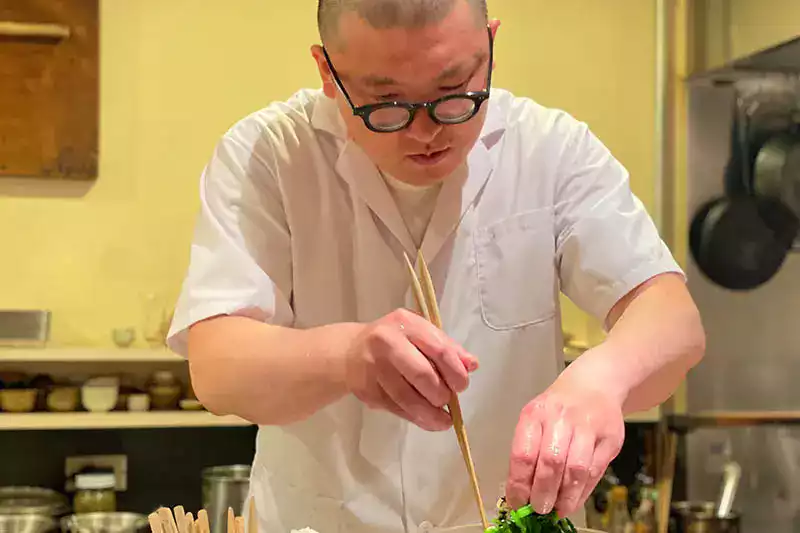



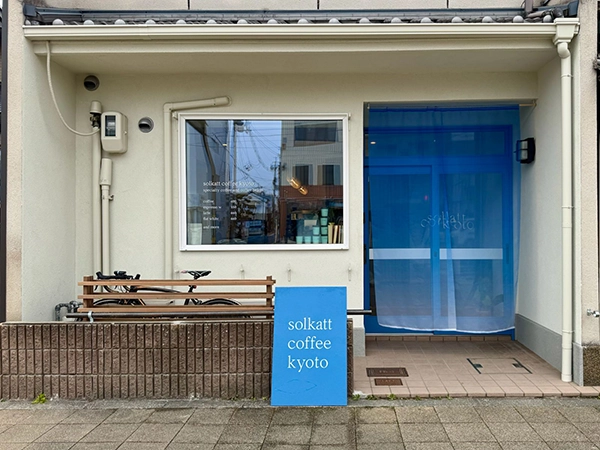


The Korean restaurant Hahaha, which opened on Takatsuji-dori street on October 16, 2021, is charming precisely because it refuses to fit into conventional frameworks. Unique recipes, vin nature from Kyoto’s best wine shop, hipster design seamlessly integrated into the traditional interior of an old house, and at the same time quite democratic prices — this is the formula used by restaurateur Zen-san. But this is not a standard “Japanese-Korean” restaurant.
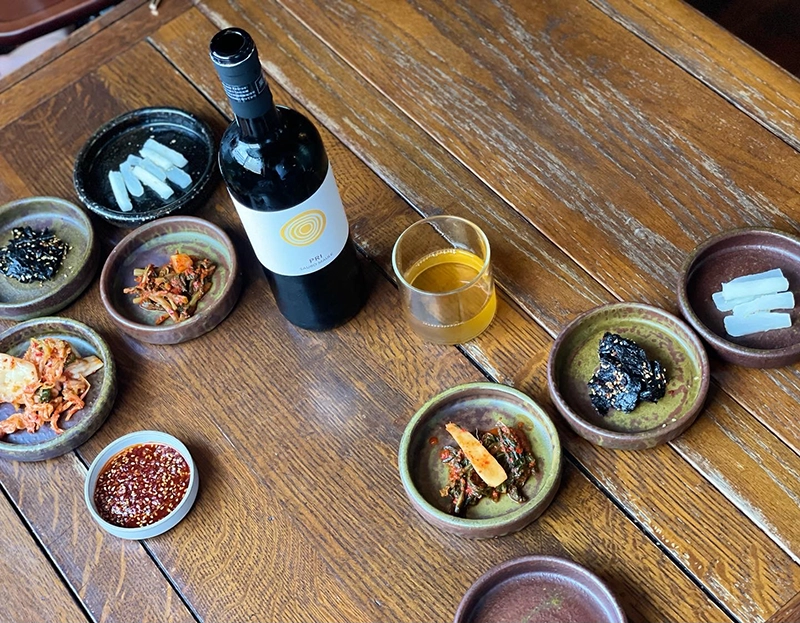
As an ethnic Korean, Zen-san seeks his identity in the regional dishes of Busan and Jeju Island — which are little known to most Japanese — rather than in the widely popular yakiniku or the usual Japanese-Korean cuisine found across Japan. The concept of Hahaha follows the style of traditional Korean eateries: Korean teishoku (定食) is an everyday set meal, similar to a Japanese fixed lunch, but with a different gastronomic logic. The main dish can be a soup — vegetable, meat, or a spicy seafood “bibimbap” — while the sides consist of kimchi and other fermented snacks.
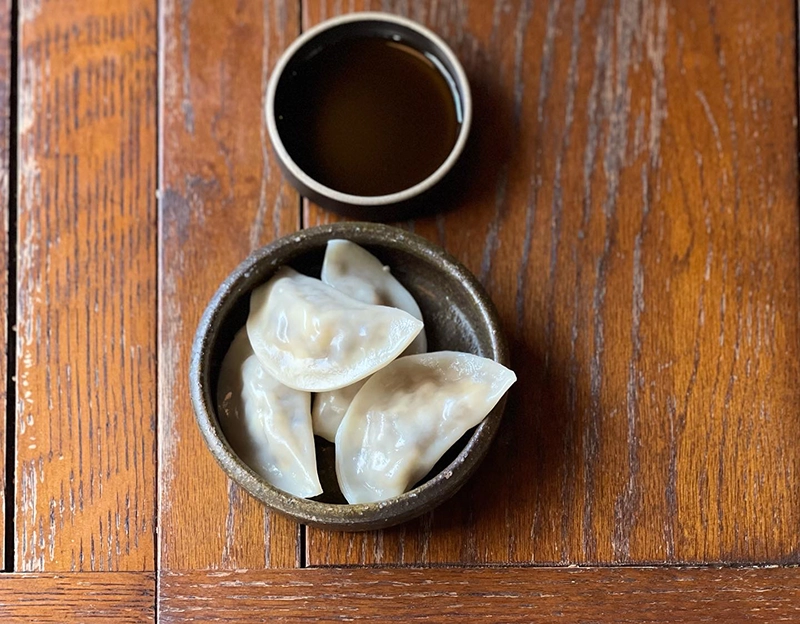
The à la carte menu does not feature typical dishes found in Japanese Korean restaurants, such as samgyeopsal or galbi. Instead, it offers authentic regional cuisine from Jeju and Busan: folk soups, seafood, boiled meats, and mandu dumplings.
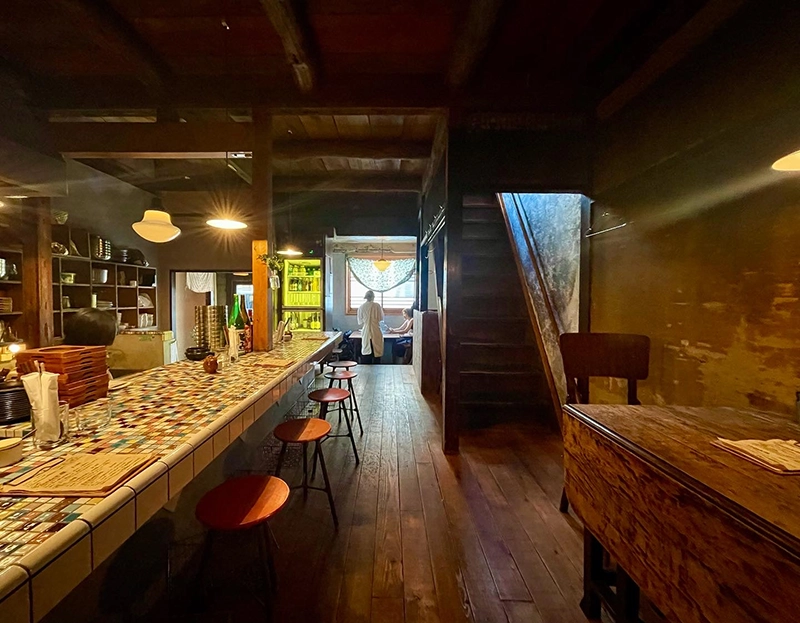
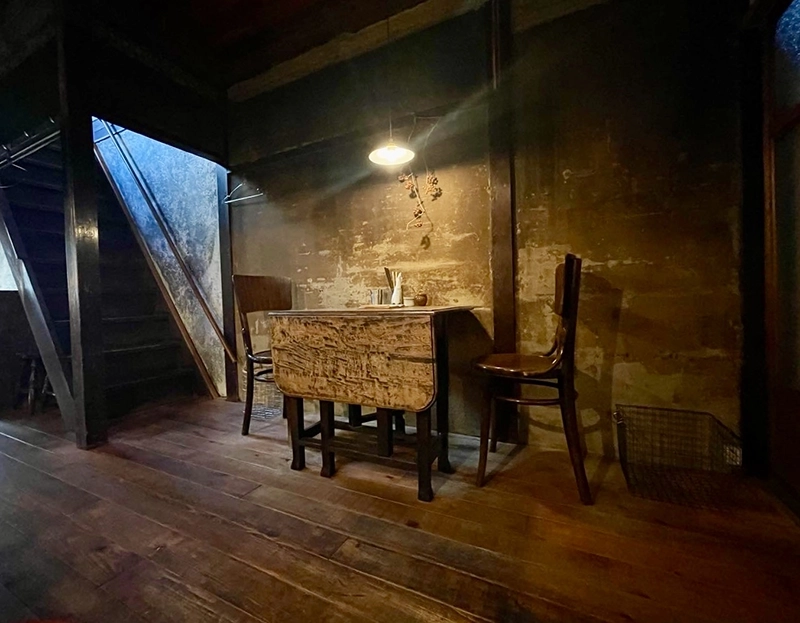
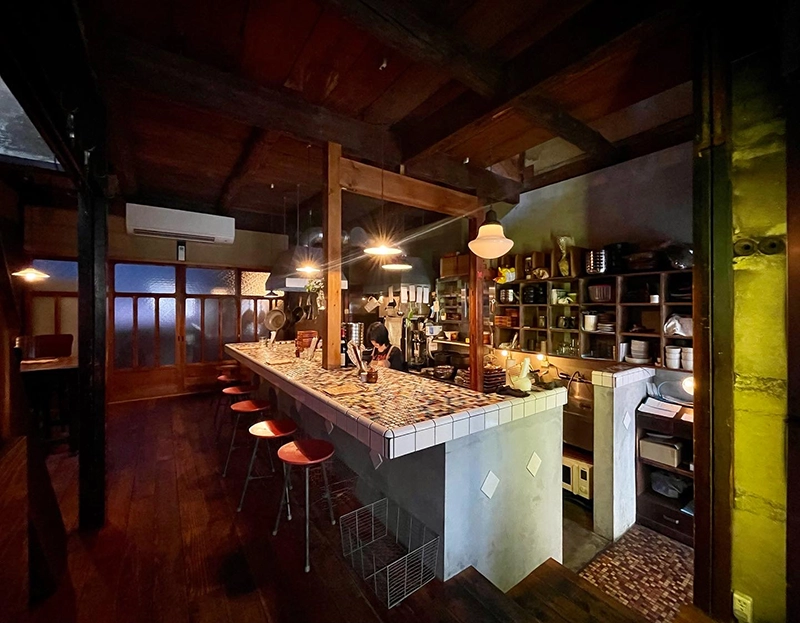
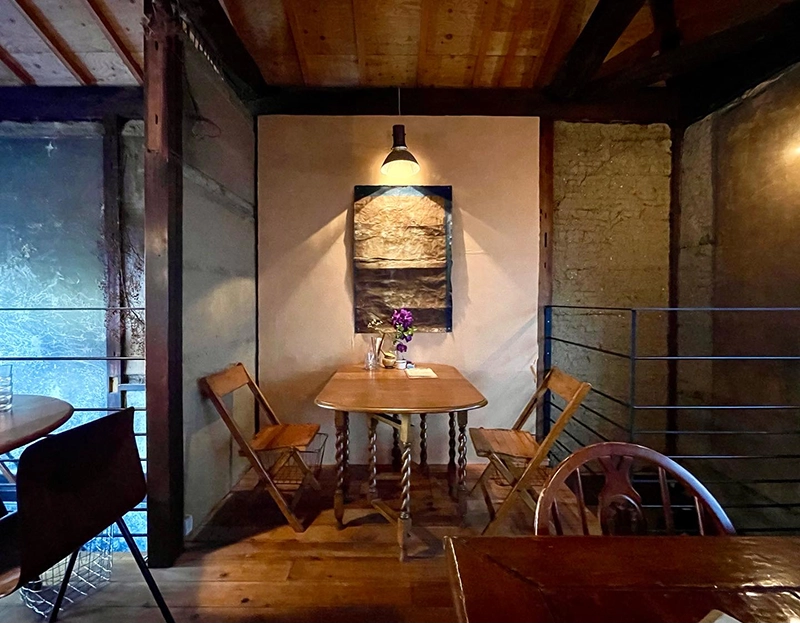
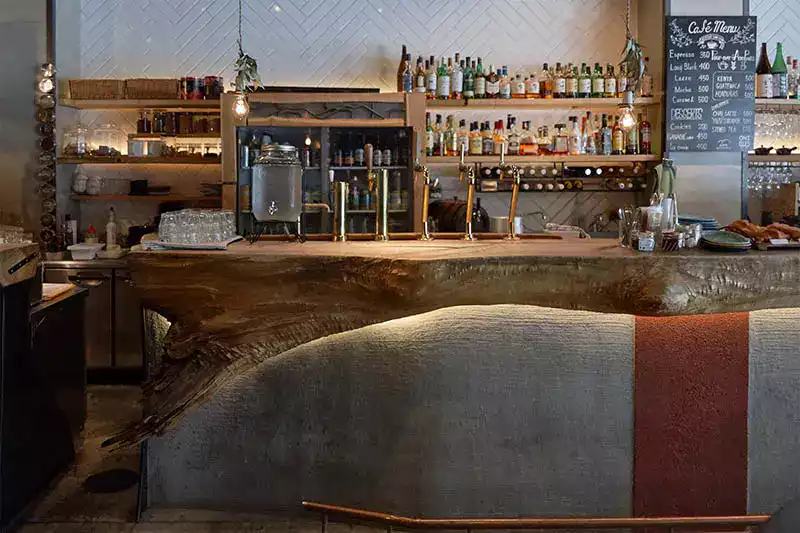
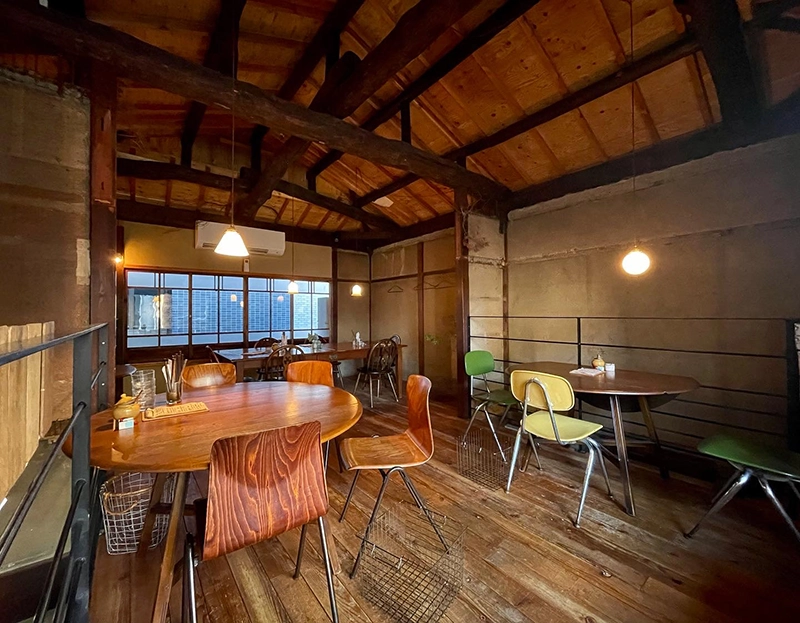
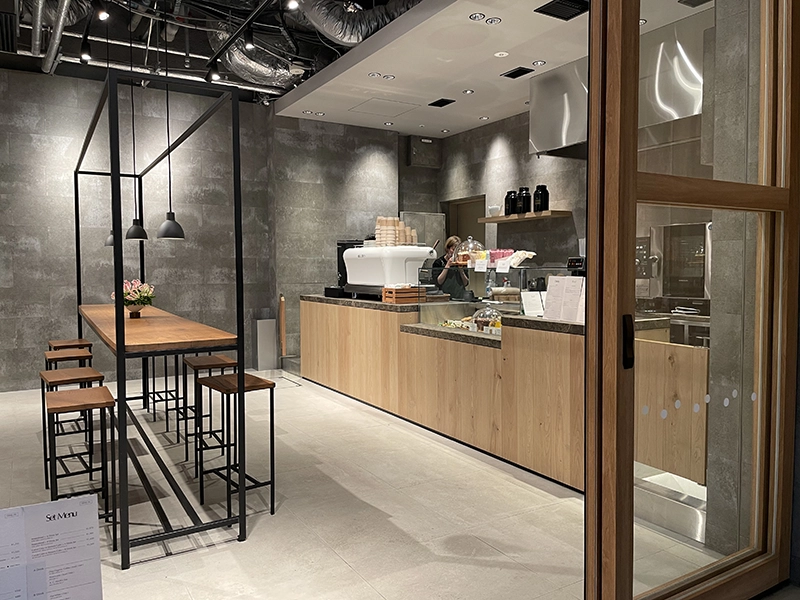
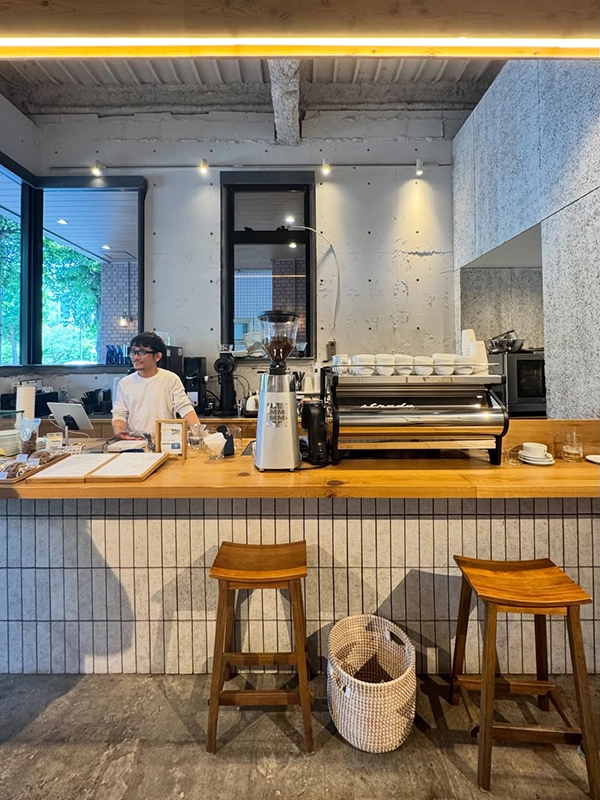
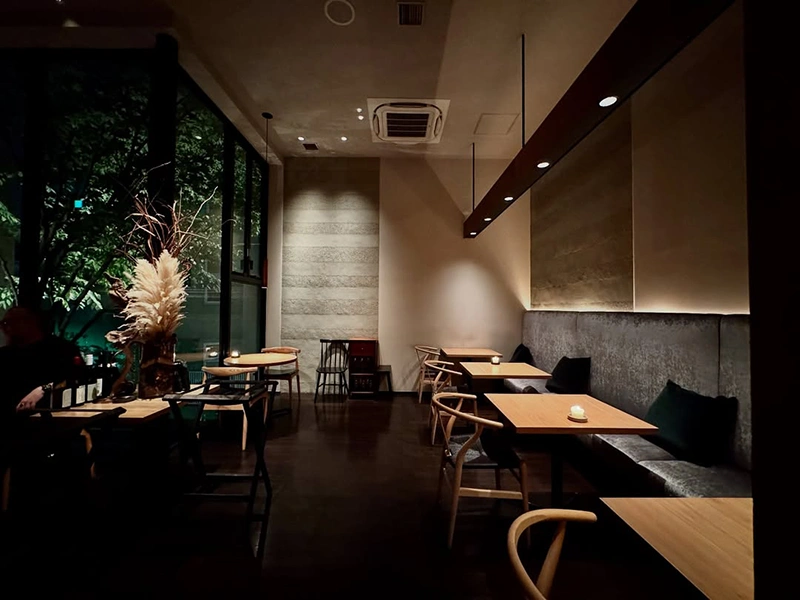
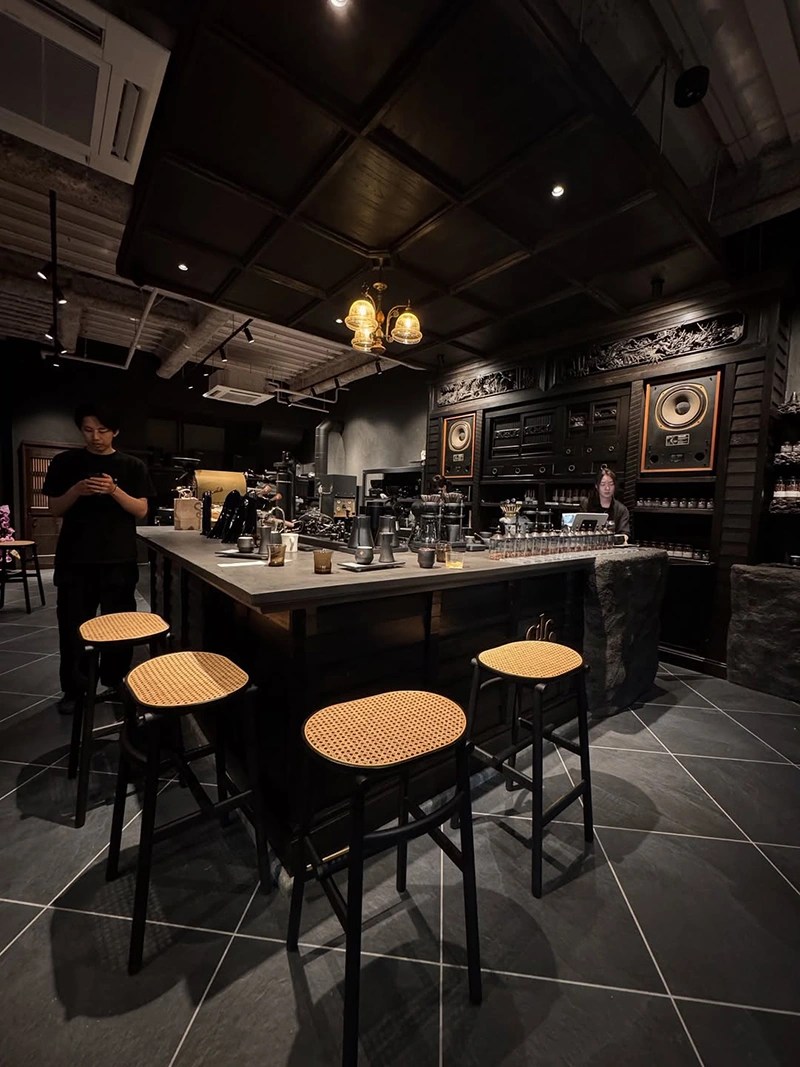
The restaurant occupies two floors. The first floor is a small stylish dining room with a bar counter covered in mosaic tiles. The second floor is a renovated machiya with open walls and ceiling.
Being a pioneer of a new genre in the restaurant business is a thankless task, but Zen-san is not afraid to experiment. His experience in the Korean gastronomic scene, where such formats have long been popular, led him to a simple thought: if it works in Korea, why shouldn’t it also take root in Japan?